Thursday, March 21, 2024

Wednesday, March 6, 2024
Saturday, January 20, 2024
Carpet Facts From Professional Carpet Cleaners
You may not give your carpets much thought in your day-to-day life. When they’re constantly underfoot, you may feel like they are more “out of sight, out of mind” than anything else. However, when your carpets start to look grungy or are marred by an accidental spill, you may realize just how big of a role they play in how your living environment. Our professional carpet cleaners can help you better understand the importance of maintaining your carpets through frequent cleaning, as well as how you can keep your home looking its very best by keeping them in great shape.

Important Insights From Professional Carpet Cleaners
We’ve compiled a list of quick facts to give you some often-overlooked insights into how your carpets are contributing to your family’s health and what you can do to protect your carpets’ lifespan and integrity.
1. Carpets work much like air filters in your home.
You may not realize that, without carpets in your home, there would be a lot more dust lingering in the air. Because of their spongey qualities and networks of dust-trapping fibers, carpets are able to take in and hold onto large amounts of airborne particles.
This can be a positive thing for your air quality, at least until your carpets become so dirty that they can no longer do their job effectively. With regular deep carpet cleaning, you can have greater confidence that you’re enjoying all the positive aspects of a carpeted home.
2. Embedded soil can shorten the lifespan of carpet.
Dirt and soil can easily get trapped towards the backing of the carpet where even the most powerful vacuums can’t reach. With the presence of significant foot traffic, these gritty contaminants will grind against delicate carpet fibers, weakening them and causing them to break. If protecting your investment is a priority, you’ll need to do more than vacuum since vacuuming only reaches surface-level dirt.
3. Dirty carpets can contribute to asthma and allergies.
Have your allergy symptoms been ramping up without an obvious cause? Dirty carpets may be to blame. Excessive amounts of dust and pollen could be lingering right under your feet, kicked up with every movement. A consistent vacuuming schedule, as well as regular visits from professional carpet cleaners, is a must if you or a family member are dealing with respiratory issues.
4. A no-shoes policy can go a long way towards keeping carpets clean.
One of the best ways to protect your carpets and keep your home healthier in the process is to insist on a no-shoes policy. To help this policy stick, keep a shoe rack at all entrances to your home. When shoes are worn both indoors and out, dirt can easily be tracked onto and ground into your carpets, leaving stains and requiring more frequent cleaning.
5. Carpets should be cleaned by professional carpet cleaners more often than you may think.
Most carpets should be cleaned by professionals every 3-6 months to keep them in good condition. If you have children or pets or wear shoes in your home, err on the side of more frequent cleanings. Homes with fewer inhabitants can usually get away with cleanings twice per year.
6. Carpets will look and feel different depending on the professional carpet cleaners you choose.
Don’t hesitate to do some in-depth research before choosing a professional carpet cleaning company. Different companies use different methods and cleaning supplies, producing vastly different results. For example, steam cleaners and carpet shampooers often depend on cleaning solutions loaded with detergents and chemicals, which can leave behind a soil-attracting residue on your carpet. In contrast, the Hot Carbonating Extraction process from Chem-Dry enlists the natural power of carbonation rather than relying on sudsy formulas, leaving your carpets fresh, healthy, and dry within hours.
Sunday, December 17, 2023
Make Your Home a Healthy Home
When thinking about what you need to do to maintain a healthy home, your mind likely goes to the hard surfaces in your home.

From mopping floors to wiping down frequently touched surfaces and objects, these actions can go a long way in stopping the spread of pathogens and making your home a healthier space. However, there’s one other activity that is essential to keeping your home healthy and comfortable: carpet cleaning. Regular carpet cleaning is a must for cleaner indoor air and a home environment that promotes your family’s overall health and well-being.
Improve Indoor Air Quality with Carpet Cleaning
You may not automatically make the connection between your carpets and indoor air quality, but the two are related. The less often you clean your carpet, the dirtier it will become. This makes sense. It’s why we vacuum regularly, but vacuuming isn’t enough.
Our carpets act like filters by trapping the dust and dander that naturally enter our homes. When carpets are cleaned with the right frequency, they can more readily grab onto airborne particles and thus contribute to fresher air throughout your living environment.
You’ll notice that your home smells less musty and simply feels cleaner when you have your carpets cleaned regularly. If you are particularly sensitive to dust and dander or have a family member who suffers from allergies, you may also notice a difference in your overall comfort and respiratory health when you make carpet cleaning a priority.
How Dirty Carpets Can Make Your Home an Unhealthy Space
Dirty carpets don’t only contribute to unhealthy air quality. If your children like to stretch out and play on the living room floor or you have pets that spend time indoors, it’s important to question whether they’re being exposed to dirt and microbes that have embedded themselves in the fibers of your carpet. After all, soil can easily be tracked in from the outdoors on the bottoms of your shoes and on your pets’ paws. Moreover, if pet accidents have occurred on your carpet, your children could be touching animal waste and other contaminants without knowing it.
It’s also worth noting that because this process does not make use of a soapy detergent, it won’t produce a sticky, soapy residue that would otherwise start collecting dirt immediately.
Tuesday, November 14, 2023
Tips to Clearing up Your Child's Allergies
For many parents of toddlers and young children, it is easy to miss the signs of childhood nasal allergies. After all, kids are exposed to many new germs, and exposure to new germs can result in plenty of runny noses and sneezing.
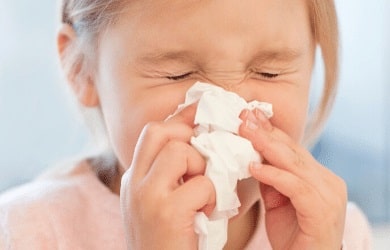
While it’s true a constant runny nose or sneezing could be nothing more than another cold, allergies are also one of the most common diseases in children. Signs of nasal allergies in kids include:
- Runny and itchy nose
- Congestion
- Frequent sneezing
- Chronic cough
- Red, watery eyes
- Mouth breathing, especially while sleeping
- Exhaustion due to poor sleep
- Dark rings under the eyes (allergic “shiners”)
- Symptoms that last longer than two weeks
Nasal allergies can actually be more than just a nuisance. The constant congestion can lead to frequent sinus and ear infections. If a child has too many ear infections, he or she might not be able to hear well, which can lead to developmental delays. Eczema and asthma are also linked to nasal allergies. In many kids, allergies begin with patches of eczema as infants, progress to nasal problems as preschoolers and develop into asthma later.
So what causes nasal allergies in kids? Children are often allergic to the same things as adults, such as dust mites, pet dander and pollen. Some kids also have food allergies, including cow’s milk, that can sometimes cause nasal problems. Fragrances in household products like shampoos, detergents and soap can cause or worsen symptoms as well.
Children have a higher risk of developing allergies if their parents had or have allergies. Outgrowing allergies is possible; however, early food allergies are usually the ones that are outgrown. Nasal allergies have a greater likelihood of persisting.
The 9 Things You Can Do
The key to treating allergies in kids is pinpointing the trigger. Allergy blood tests work well in kids 3 and older, but they aren’t as effective in younger children. When trying to find out what might be making your child have symptoms, ask yourself if his or her symptoms have changed:
At different times of the year? When your child has been out of daycare for a few days? When you’re away from home or your pets? After home renovations, or a leak or flood?
Taking notes regarding changes in your child’s symptoms can also be helpful for his or her health care provider. With food allergies, an elimination diet can be another way to identify possible causes. Once you determine the cause, controlling your child’s environment can be very beneficial. Here are some tips:
- Get rid of stuffed animals, or wash them regularly in hot water. Stuffed animals can be a haven for dust mite matter and other allergens.
- Cover your child’s mattress with a dust mite-proof cover. Wash bedding every week in hot water with an extra rinse cycle.
- Professionally clean carpets and heavy drapes. They trap dust and allergens and need to be cleaned to stay effective.
- Use a vacuum cleaner with a HEPA filter.
- Use air conditioners to filter allergens from the outside. Clean or replace filters often.
- Reduce your use of chemical cleaners with strong scents.
- Don’t allow smoking in the house.
- Keep pets out of your child’s bedroom or playroom.
- Consider an allergy medication. Go over the pros and cons with your child’s provider, as there are some safe and effective medications available. Never start using an over-the-counter drug without a pediatrician’s recommendation.
Remember, your goal doesn’t need to be an allergen-free home. Little ones with nasal allergies can handle some exposure to an allergen without symptoms. Making a few smart changes and decreasing your child’s overall exposure may be sufficient to eliminate his or her symptoms. Chem-Dry has been tested and proven to remove 98% of non-living allergens* from areas we clean.
*Based on results from a study conducted by an independent laboratory using the Chem-Dry Hot Carbonating Extraction process. Allergens tested were dog and cat dander and dust mite matter. Figures are an average across multiple homes.
Friday, October 27, 2023
Subscribe to:
Posts (Atom)