Showing posts with label Kids. Show all posts
Showing posts with label Kids. Show all posts
Sunday, December 8, 2024

Wednesday, June 19, 2024
Ways to Help Clear Up Your Child's Allergies
For many parents of toddlers or young children, it may be easy to miss the signs of nasal allergies. After all, kids are exposed to lots of new germs, and lots of new germs can result in plenty of runny noses and sneezing.

While it’s true a constant runny nose or sneezing could be nothing more than another cold, allergies are also one of the most common diseases in children. Signs of nasal allergies in kids include:
- Runny and itchy nose
- Congestion
- Frequent sneezing
- Chronic cough
- Red, watery eyes
- Mouth breathing, especially while sleeping
- Exhaustion due to poor sleep
- Dark rings under the eyes (allergic “shiners”)
- Symptoms that last longer than two weeks
Nasal allergies can actually be more than just a nuisance. The constant congestion can lead to frequent sinus and ear infections. If a child has too many ear infections, he or she might not be able to hear well, which can lead to developmental delays. Eczema and asthma are also linked to nasal allergies. In many kids, allergies begin with patches of eczema as infants, progress to nasal problems as preschoolers and develop into asthma later.
So what causes nasal allergies in kids? Children are often allergic to the same things as adults, such as dust mites, pet dander and pollen. Some kids also have food allergies, including cow’s milk, that can sometimes cause nasal problems. Fragrances in household products like shampoos, detergents and soap can cause or worsen symptoms as well.
Children have a higher risk of developing allergies if their parents had or have allergies. Outgrowing allergies is possible; however, early food allergies are usually the ones that are outgrown. Nasal allergies have a greater likelihood of persisting.
The 9 Things You Can Do
The key to treating allergies in kids is pinpointing the trigger. Allergy blood tests work well in kids 3 and older, but they aren’t as effective in younger children. When trying to find out what might be making your child have symptoms, ask yourself if his or her symptoms have changed:
At different times of the year? When your child has been out of daycare for a few days? When you’re away from home or your pets? After home renovations, or a leak or flood?
Taking notes regarding changes in your child’s symptoms can also be helpful for his or her health care provider. With food allergies, an elimination diet can be another way to identify possible causes. Once you determine the cause, controlling your child’s environment can be very beneficial. Here are some tips:
- Get rid of stuffed animals, or wash them regularly in hot water. Stuffed animals can be a haven for dust mite matter and other allergens.
- Cover your child’s mattress with a dust mite-proof cover. Wash bedding every week in hot water with an extra rinse cycle.
- Professionally clean carpets and heavy drapes. They trap dust and allergens and need to be cleaned to stay effective. Chem‑Dry has been tested and proven to remove 98% of non-living allergens* from areas we clean.
- Use a vacuum cleaner with a HEPA filter.
- Use air conditioners to filter allergens from the outside. Clean or replace filters often.
- Reduce your use of chemical cleaners with strong scents.
- Don’t allow smoking in the house.
- Keep pets out of your child’s bedroom or playroom.
- Consider an allergy medication. Go over the pros and cons with your child’s provider, as there are some safe and effective medications available. Never start using an over-the-counter drug without a pediatrician’s recommendation.
Remember, your goal doesn’t need to be an allergen-free home. Little ones with nasal allergies can handle some exposure to an allergen without symptoms. Making a few smart changes and decreasing your child’s overall exposure may be sufficient to eliminate his or her symptoms.
*Based on results from a study conducted by an independent laboratory using the Chem-Dry Hot Carbonating Extraction process. Allergens tested were dog and cat dander and dust mite matter. Figures are an average across multiple homes.
Tuesday, November 14, 2023
Tips to Clearing up Your Child's Allergies
For many parents of toddlers and young children, it is easy to miss the signs of childhood nasal allergies. After all, kids are exposed to many new germs, and exposure to new germs can result in plenty of runny noses and sneezing.
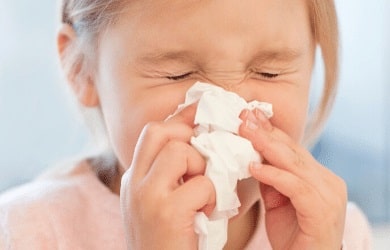
While it’s true a constant runny nose or sneezing could be nothing more than another cold, allergies are also one of the most common diseases in children. Signs of nasal allergies in kids include:
- Runny and itchy nose
- Congestion
- Frequent sneezing
- Chronic cough
- Red, watery eyes
- Mouth breathing, especially while sleeping
- Exhaustion due to poor sleep
- Dark rings under the eyes (allergic “shiners”)
- Symptoms that last longer than two weeks
Nasal allergies can actually be more than just a nuisance. The constant congestion can lead to frequent sinus and ear infections. If a child has too many ear infections, he or she might not be able to hear well, which can lead to developmental delays. Eczema and asthma are also linked to nasal allergies. In many kids, allergies begin with patches of eczema as infants, progress to nasal problems as preschoolers and develop into asthma later.
So what causes nasal allergies in kids? Children are often allergic to the same things as adults, such as dust mites, pet dander and pollen. Some kids also have food allergies, including cow’s milk, that can sometimes cause nasal problems. Fragrances in household products like shampoos, detergents and soap can cause or worsen symptoms as well.
Children have a higher risk of developing allergies if their parents had or have allergies. Outgrowing allergies is possible; however, early food allergies are usually the ones that are outgrown. Nasal allergies have a greater likelihood of persisting.
The 9 Things You Can Do
The key to treating allergies in kids is pinpointing the trigger. Allergy blood tests work well in kids 3 and older, but they aren’t as effective in younger children. When trying to find out what might be making your child have symptoms, ask yourself if his or her symptoms have changed:
At different times of the year? When your child has been out of daycare for a few days? When you’re away from home or your pets? After home renovations, or a leak or flood?
Taking notes regarding changes in your child’s symptoms can also be helpful for his or her health care provider. With food allergies, an elimination diet can be another way to identify possible causes. Once you determine the cause, controlling your child’s environment can be very beneficial. Here are some tips:
- Get rid of stuffed animals, or wash them regularly in hot water. Stuffed animals can be a haven for dust mite matter and other allergens.
- Cover your child’s mattress with a dust mite-proof cover. Wash bedding every week in hot water with an extra rinse cycle.
- Professionally clean carpets and heavy drapes. They trap dust and allergens and need to be cleaned to stay effective.
- Use a vacuum cleaner with a HEPA filter.
- Use air conditioners to filter allergens from the outside. Clean or replace filters often.
- Reduce your use of chemical cleaners with strong scents.
- Don’t allow smoking in the house.
- Keep pets out of your child’s bedroom or playroom.
- Consider an allergy medication. Go over the pros and cons with your child’s provider, as there are some safe and effective medications available. Never start using an over-the-counter drug without a pediatrician’s recommendation.
Remember, your goal doesn’t need to be an allergen-free home. Little ones with nasal allergies can handle some exposure to an allergen without symptoms. Making a few smart changes and decreasing your child’s overall exposure may be sufficient to eliminate his or her symptoms. Chem-Dry has been tested and proven to remove 98% of non-living allergens* from areas we clean.
*Based on results from a study conducted by an independent laboratory using the Chem-Dry Hot Carbonating Extraction process. Allergens tested were dog and cat dander and dust mite matter. Figures are an average across multiple homes.
Thursday, August 17, 2023
SUMMER IS OUT, SCHOOL IS IN—AND SO IS THE DIRT
Congratulations, you’ve made it—summer is over and school is back in session! It’s the end of wondering how to keep your kids busy, and out of trouble day after day. But with back to school in full force, comes another predicament: how do you keep the dirt off of your carpet and out of your home? With some organization, and a little creativity, your home can be squeaky clean—and stay that way. Keep reading to find out how.

Create a Shoe Organizer
A dirty carpet can make you feel like you have a dirty home. In some ways, it’s true—because walking on a dirty carpet affects your physical health. Does your teenager lie down on your living room carpet while watching his favorite show? Does your first grader rough house with his siblings in the hallway? You have a busy household to run, and filled with ‘precious cargo’, so you don’t have any time to worry about a dirty carpet. To minimize the dirt that’s dragged in from every old place your child has been all day, create a shoe organizer and place it by the front door.
Head to your local department store, and purchase a shoe organizer (similar to what you use to hang up your shoes in your closet.) It won’t cost you more than $20 and you’ll instantly have an easy way for your children to organize their shoes and eliminate the ‘dirt factor’ when they come home from school.
Purchase Door Mats and Rugs to Keep Dirt at Bay
As another smart ‘rule of thumb’ for keeping your carpet as clean as possible, welcome mats and area rugs can help preserve the life span of your flooring. Your kids are learning lots of new rules this time of year—when homework is due, what’s expected of them as a student, what school supplies they need to succeed—so give them an easy one to follow. Wipe those feet, please! With welcome mats, your children can play their part, so that your carpet lasts as long as possible.
Empower Your Teenagers with Some Light Chores (and Reward Them for It)
If there’s a golden rule of clean carpets, it’s vacuuming. Vacuum regularly and you’ll be able to suck up tiny specks of dirt you kids bring in. In other words, when you make vacuuming a priority (especially with school back in session) you can extend the life and quality of your carpet. Get your teenager involved (as well as any other young member of your family that could benefit from some responsibility) with a weekly vacuuming chore. Create a chart of who is responsible for vacuuming on each day, or every few days. Reward your children with an allowance, so they’ll be motivated to continue their enthusiasm to help out with the household work.
Need extra help? Chem‑Dry is the world’s leading carpet cleaning professionals, and when more dirt than usual is coming through your home, count on them to get the job done! They offer a clean and healthy carbonation formula to extract pollutants, mold, and dirt out of your carpets—which leaves you more ‘family time’.
Tuesday, August 8, 2023
Friday, June 30, 2023
Get Kids Involved in Caring For Your Home
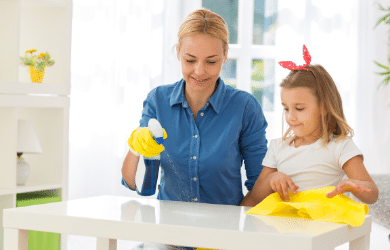
There are a number of simple and creative things you can do to get the kids involved in cleaning. Children love pretending, so you can always use “pretend play” to make the job more exciting. You can pretend that you are maids, butlers, or even Cinderella and get set for a fun and exciting cleaning experience. You can even dress up to get yourselves more into character. This is a great tool for engaging your littlest cleaners. Not only will the children be eager to get in on the vacuuming and mopping, but they will have a great time doing it!
Another tip for making cleaning more fun is the use of competition. Children love games and competition and this works well with children of all ages. Make it a game by seeing who can get their room the cleanest. A timer can also be used to see who can “race the clock” to get their chore done. Another idea is to turn cleaning into a scavenger hunt and ask your child to search for items as they clean. For younger helpers, you can encourage them to pick up and sort items by color. This is also a great educational activity. You can even distribute ribbons to the child who is the most helpful and completes their chores on time.
Take your child shopping and let them pick out some cleaning tools that are colorful and just their size. Using kid-sized tools will definitely make for a more enthusiastic helper. It will also make the process much easier for them, as they will be able to hold and manipulate the equipment much easier. This is a great way to introduce children to a variety of different supplies and their uses.
Nothing makes cleaning more fun than singing and dancing. Get ready to turn up the music and have a blast while cleaning. Your children will love getting to play their favorite songs while helping care for the home. You should also set clear rewards for your child. Consider using an incentive chart or plan a special activity for your child once they accomplish their task. It will motivate your child to work hard and get the job done right.
In addition to these fun cleaning activities, it is important to establish a cleaning routine with your child. This will give your child an opportunity to become more responsible and understand the importance of caring for their home. Your child will also love having some special time set aside just for your family. Consider these tips to make cleaning your home more enjoyable.
Want a break from cleaning all together? Take your kids on a playdate and let Johnson County Chem-Dry deep clean your carpets for clean, fresh carpets that are healthier for your family. Johnson County Chem-Dry uses a Chem-Dry Green Certified solution that is safe and non-toxic for kids and pets and hot carbonating extraction to provide a deeper clean which allows surfaces to dry faster. So your carpets will dry in hours and your home will be healthier.
Subscribe to:
Posts (Atom)