Tuesday, March 23, 2021

Tuesday, March 16, 2021
Spring Cleaning
IT'S TIME FOR SPRING CLEANING – DON’T FORGET ABOUT YOUR TILE & GROUT
As the weather warms up, many homeowners dive into spring cleaning. The to-do lists of baseboards to wipe down and windows to clean seem endless, but it’s just as important not to overlook your tile and grout.
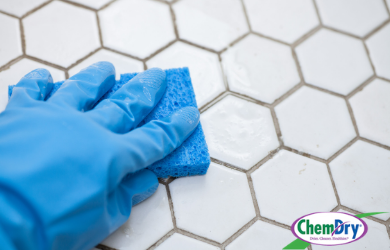
While routine sweeping and mopping are helpful, they don’t provide the deep clean that your tile flooring needs. Over time, dirt can build up in the surfaces of your tile and grout flooring, which creates a breeding ground for bacteria. While grout serves a needed purpose, it’s incredibly porous and typically light colored. This means that it easily absorbs dirt and spills and can quickly become dingy in appearance.
A little routine tile and grout cleaning can go a long way in maintaining the appearance of these surfaces.
Clean tiles with soap and water.
The simplest way to refresh your tile and grout is with soap and water. It’s best to use a basic dish soap and warm water to wipe down the surface. Harsh cleaners and even vinegar can be damaging to different types of tiles and can weaken grout. For a quick, easy clean simply spray the dish soap and water solution and wipe with a cloth.
Focus on the grout.
Dirty grout can make your entire tiled floor look dull and dingy. Due to its porous nature, grout gets visibly dirty fairly quickly. Commercial grout cleaners are an easy route to choose, but be sure to purchase a product that is pH neutral to prevent damage. You’ll want to use a small scrub brush or toothbrush for best results. Spray on the cleaner, give it a good scrub, and then wipe the surface with a cloth to be sure there isn’t any leftover cleaner hanging out on your tiles. While people commonly recommend using a vinegar and baking soda mixture to clean stubborn stains, the Tile Council of America warns that this can actually be harmful. Grout is alkaline and will react to any acidic cleaner, such as vinegar, resulting in some of the grout dissolving. So, while it may look clean, it’s not worth the damage.
Have your tile and grout professionally cleaned.
As anyone who has attempted to clean their tile floors with a toothbrush can tell you, it’s a time-consuming job. The most effective and time efficient way to Spring clean your tile floors is to have them professionally cleaned. Tile, Stone, and Grout cleaning by Johnson County Chem-Dry penetrates deep inside the porous surfaces to remove dirt and bacteria, leaving you with surfaces that will sparkle and be safer for your family. Independent laboratory testing determined that our process, in conjunction with sanitizer, eliminates an average of 99.9% of bacteria from these surfaces. In addition to a deep clean, Johnson County Chem-Dry also applies a sealant to help prevent future stains.
Monday, March 15, 2021
Wednesday, March 10, 2021
Tuesday, February 9, 2021
Disinfecting Mistakes
ARE YOU MAKING THESE COMMON DISINFECTING MISTAKES?
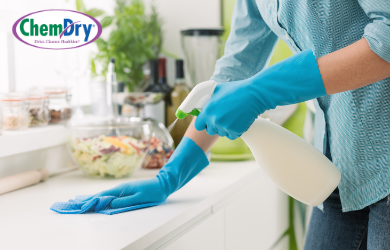
If you’re like most people, you didn’t spend a lot of time thinking about disinfecting before 2020. Most of us grabbed a familiar product off the store shelf and didn’t think twice about it. The COVID-19 pandemic has brought with it a greater need for disinfecting at home, but the dos and don’ts circulating on the internet can be confusing. Here are three of the top disinfecting mistakes to avoid:
- Clean before using disinfecting products. Cleaning refers to using water and a product like soap to remove dirt and other debris from surfaces. Cleaning does not kill germs and bacteria but can reduce the amount of them on a surface. It is a vital first step that shouldn’t be missed. Cleaning a surface before applying a disinfectant allows the product to work better.
- Read the product label before use. It’s common for people to assume that all disinfectants work the same way, but that couldn’t be farther from the truth. Each product has its own individual concentration, which means unique requirements for use. Reading the label ensures you’ll get the maximum effectiveness and protect yourself by knowing the proper safety protocols.
-
Don’t immediately wipe the disinfectant away. It’s cleaning instinct for most of us, you spray and then you immediately wipe the surface. But that’s not how disinfectants work. In order to kill germs, disinfectants have a “dwell time” or amount of time they need to sit on the surface they’re disinfecting. This typically ranges from 1 to 10 minutes, depending on the product. If you aren’t giving the product time to do its job, you’re most likely leaving germs behind.
Prefer to leave the disinfecting to the experts? Johnson County Chem-Dry can help with our new MicroPro ShieldTM Service which includes the application of an EPA-registered, hospital-grade disinfectant along with the application of a protective antimicrobial coating to surfaces that were disinfected, inhibiting the growth and spread of microbes (bacteria and algae) on contact for up to 3 months.2
Learn more about our MicroPro Shield service here.